What does larp mean? Origins, crypto larp and fake props


 · 5 min read
The original meaning: live-action role-play
LARP stands for live-action role-play. Players dress as characters, carry foam swords or other props and act out a story in a real place, usually inside a shared setting with a few rules. Nobody in the field believes the knight is a real knight. The fiction is the point, and everyone present knows it.
The term grew out of tabletop gaming culture. In a tabletop game you describe what your character does. In a LARP you physically play the character. That difference, performing instead of describing, is the part the slang later borrowed.
How larp turned into internet slang
Online communities started using "larping" as a put-down. If someone claimed a skill, job or lifestyle they did not have, the replies said they were larping: playing a character and hoping nobody checks. A soldier who never served, a gym guy who never lifted, a founder with no company.
The word stuck because it is precise. A liar states something false as fact. A larper puts on the costume of a lifestyle, with the right clothes, the right vocabulary and the right photos. There is a built-in joke too: real larpers wear costumes openly, and the online kind pretend theirs is real.
Today it works in two directions. As an accusation, "you're larping" means "I don't believe you." As a self-description, "I'm larping as a billionaire today" means "this is a bit, and you're invited to be in on it."
Crypto larp: faking the wins
Crypto made the word huge. Wallet balances and profit screenshots are easy to fake and hard to verify, so the community learned to doubt them. A screenshot of a seven-figure wallet became an open invitation for the replies to ask whether it was a larp.
A few patterns come up again and again:
- A cropped balance with no wallet address or history, so there is nothing to check.
- A PnL card with a huge percentage on a tiny position, or on a coin nobody can find on a chart.
- A rented supercar, a borrowed watch or a stack of cash used as the backdrop for a pitch.
- A payout screenshot attached to a course, a signal group or a paid community.
The last one is where larping stops being a joke. When a fake win is used to get someone's money, it is deception, and it is not what we mean by a prop. The practical line is covered in are fake dashboards legal.
Larping as content: props used openly
A different crowd embraced the word. Creators make skits where they play a rich founder, a store owner who closes ten thousand dollars before lunch, or a deadpan crypto trader on a yacht. The audience laughs because the fakery is the joke. Short films and ads need the same thing: a screen that looks real enough to read in a shot.
It is the same logic as the original game. Costume, set and props are fine when everyone knows it is a performance. A fake Phantom wallet in a comedy sketch is a prop, the way a plastic sword is a prop.
Typical open-prop uses:
- Skits that parody get-rich-quick culture, with the exaggeration obvious.
- Day-in-the-life reels where the setup is stated in the caption or the voiceover.
- Short films and music videos that need a convincing phone, wallet or order screen.
- Ads and product demos that need a populated dashboard instead of an empty one.
- Commentary videos that recreate a scam to explain how it works.
What a larp scene looks like in MaxLarp
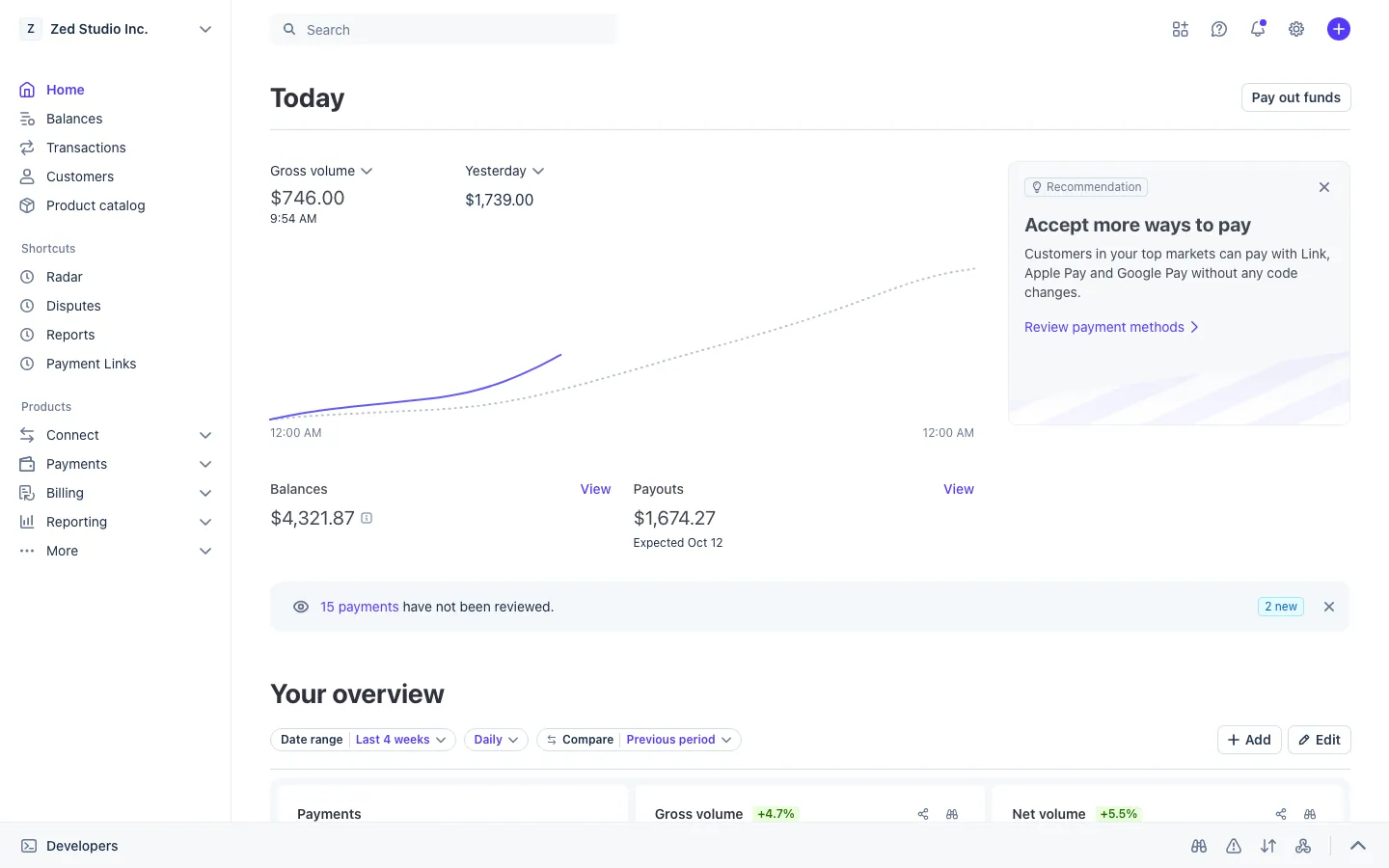
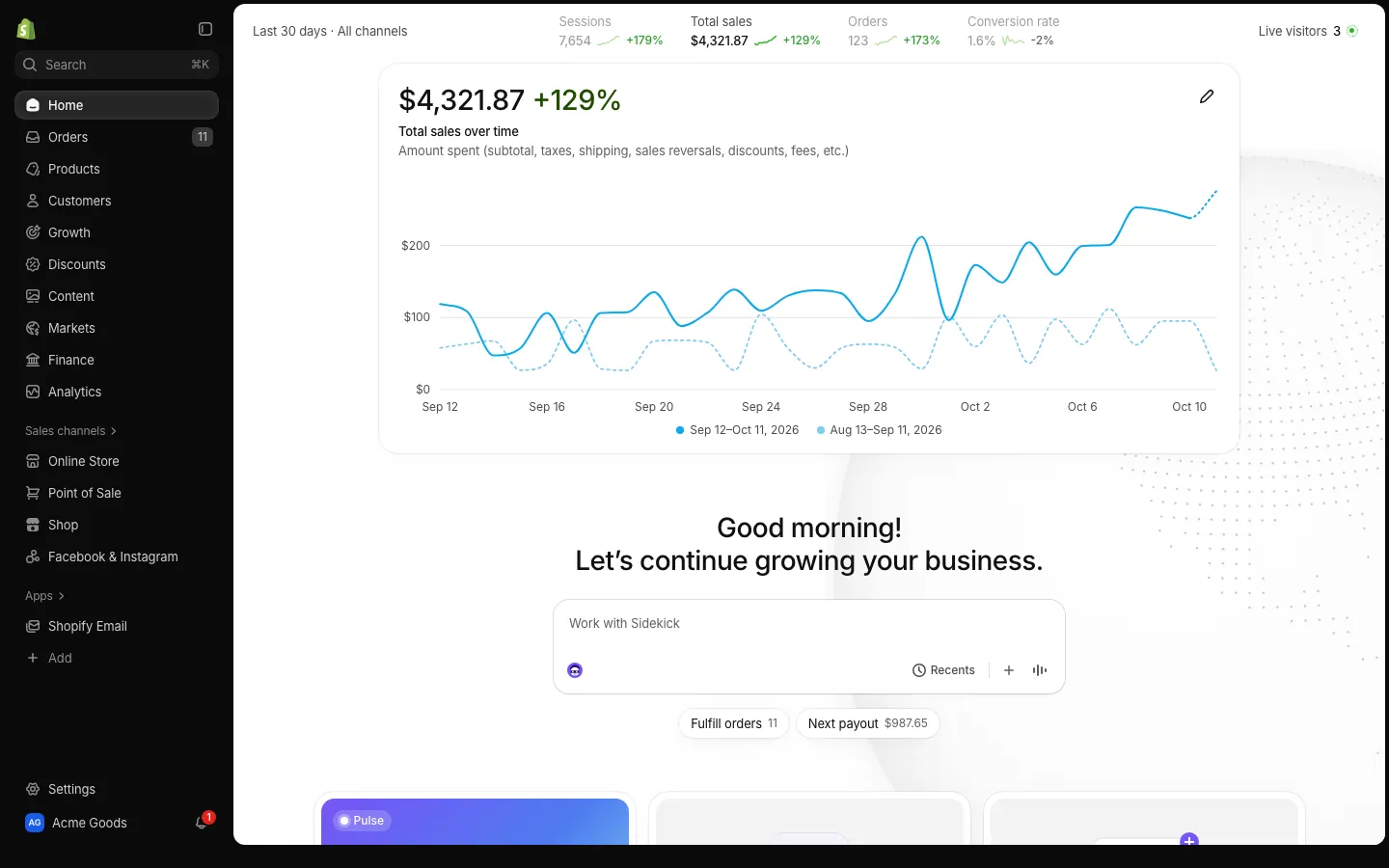
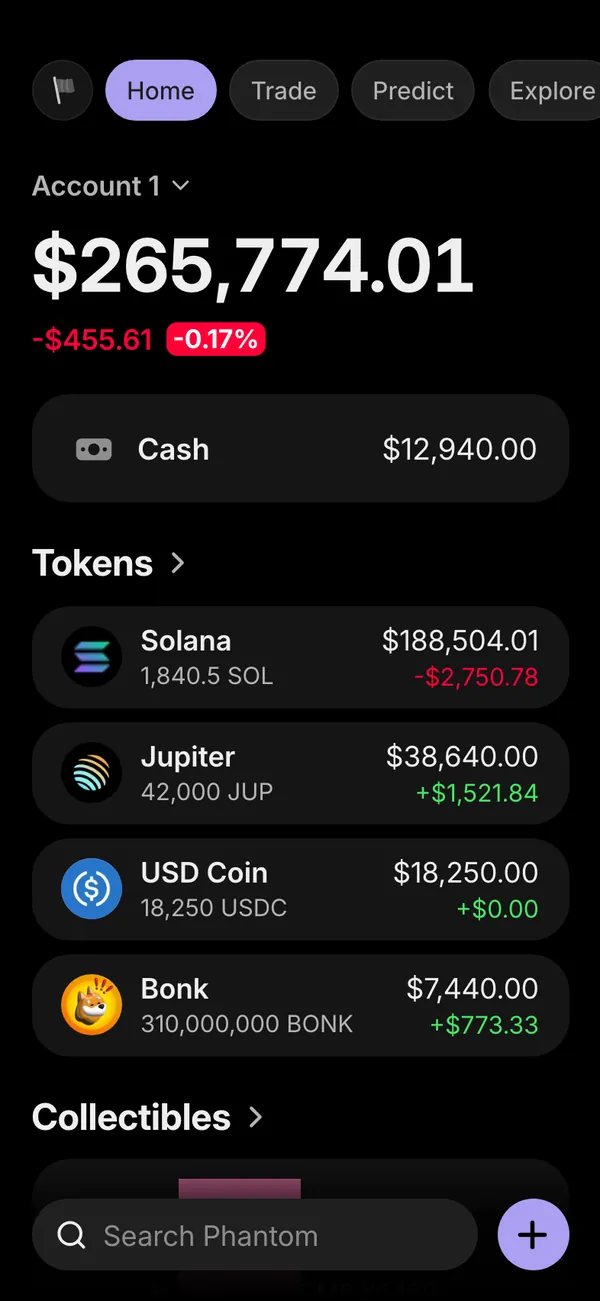
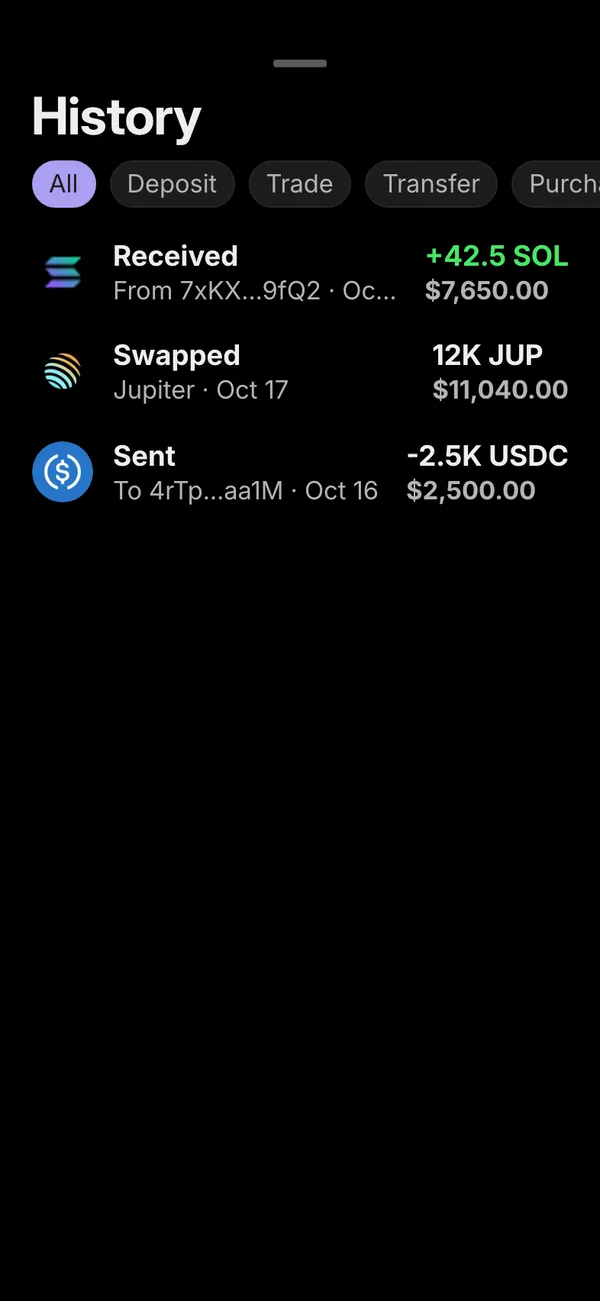
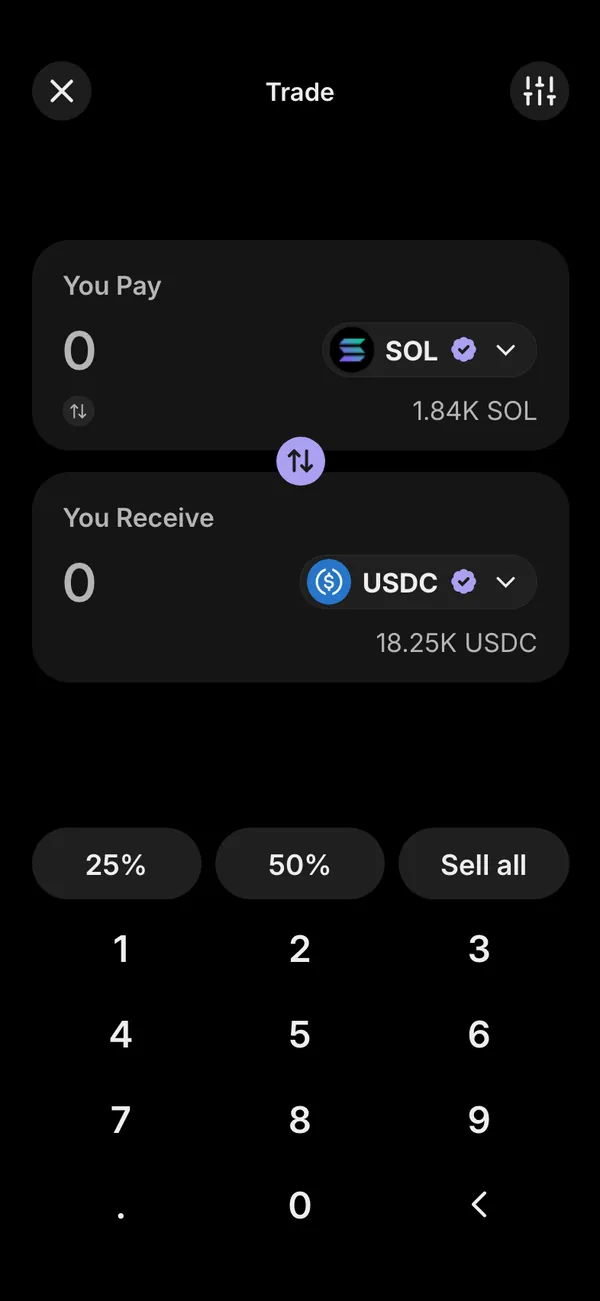
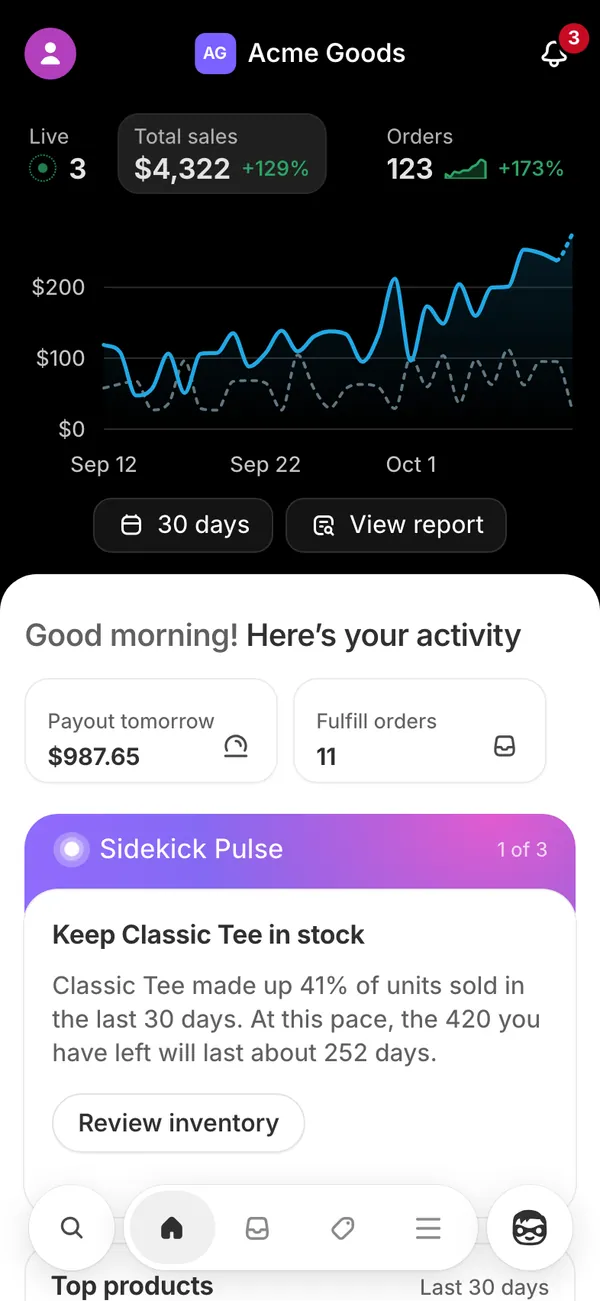
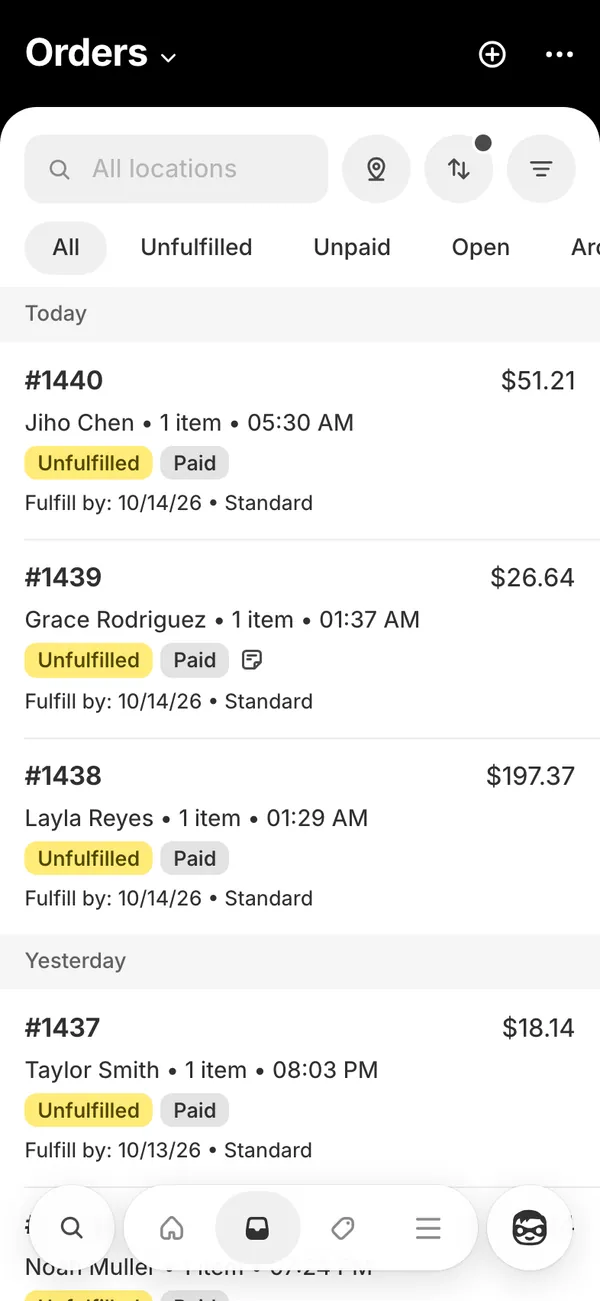
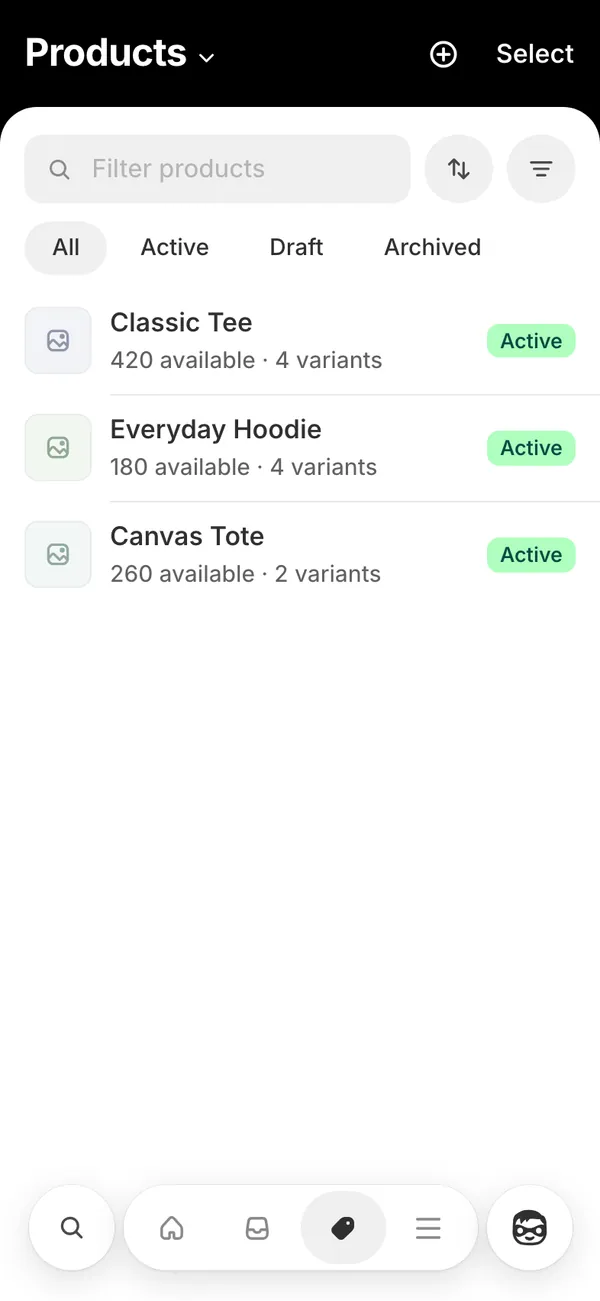
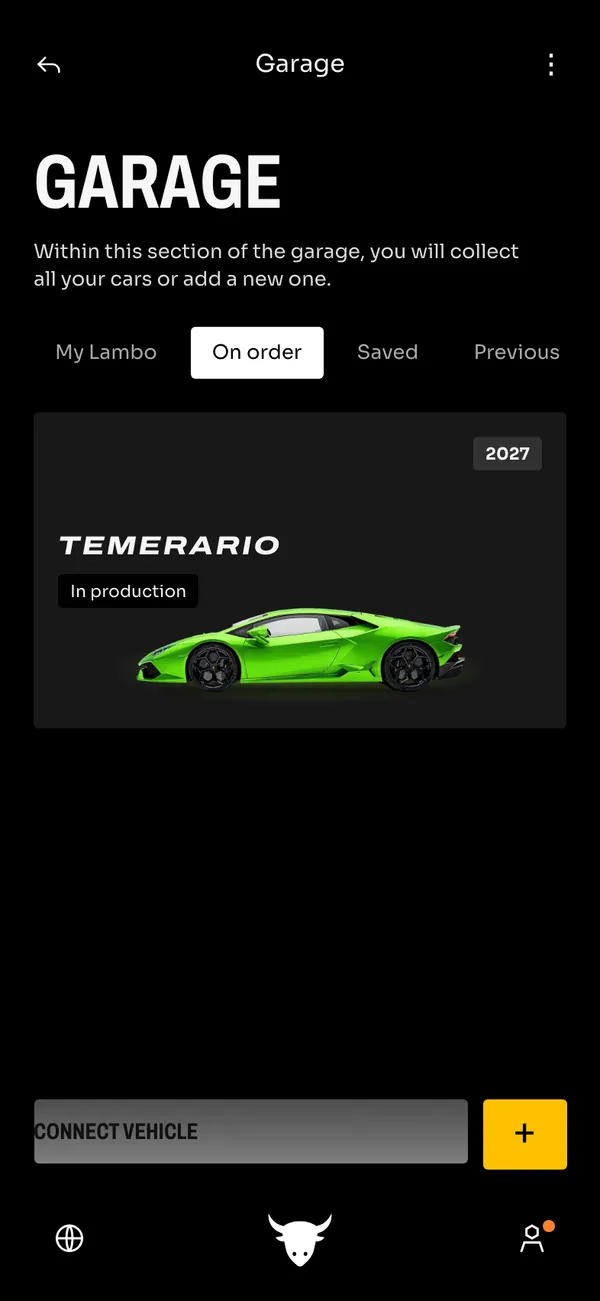
MaxLarp sells fake versions of the dashboards and apps creators use as props: Phantom for the wallet shot, Shopify for the sales shot and Lamborghini for the order shot. Every number is fictional and nothing connects to a real account. A basic larp scene takes a handful of steps:
- 1Decide the character: a name, a city, a currency and where the money supposedly comes from.
- 2Set that persona up once, so the wallet, the store and the order screens tell the same story. The persona guide walks through it.
- 3Pick the apps the scene needs and change the numbers to match the script.
- 4Choose live mode if a notification has to land on camera, or static if a figure must stay put.
- 5Film it, and make clear it is a bit.
If you want to see which screens fit which kind of video, the roundup of fake dashboards for videos sorts them by scene.
Larping versus lying
The practical test is whether the viewer ends up believing something false that costs them money or trust. A skit where nobody could mistake the setup for a genuine brag passes. A post that says "this is what I make trading, join my group" while showing fiction does not.
When you are unsure, put "skit", "fake" or "prop" in the caption. It costs nothing and keeps the joke intact. The word keeps its edge because of that line: used honestly, larping is just acting.
The apps in this post





Questions
What does larp stand for?
LARP stands for live-action role-play, a game where people physically act out characters in a real setting. Online, larp and larping became slang for pretending to be something you are not, usually a lifestyle, a skill or a level of wealth.
What is a crypto larp?
A crypto larp is a faked or misleading display of crypto success, such as an edited balance, a staged PnL card or a borrowed car. Some creators also use the term jokingly for fake wallets they openly present as part of a skit.
Is larping bad?
Not in itself. Playing a character in a labeled skit, film or parody is ordinary acting. It becomes a problem when a fake win is used to convince people to spend money or trust you. Label the content as fiction whenever there is doubt.
Is MaxLarp connected to the apps it copies?
No. MaxLarp is not affiliated with, endorsed by or sponsored by any platform it recreates, and all trademarks belong to their owners. Every number is fictional, nothing links to a real account and no real money moves.
Every number on MaxLarp is fictional. Not affiliated with any brand shown. Acceptable use